
Poznan is located in central-western Poland.
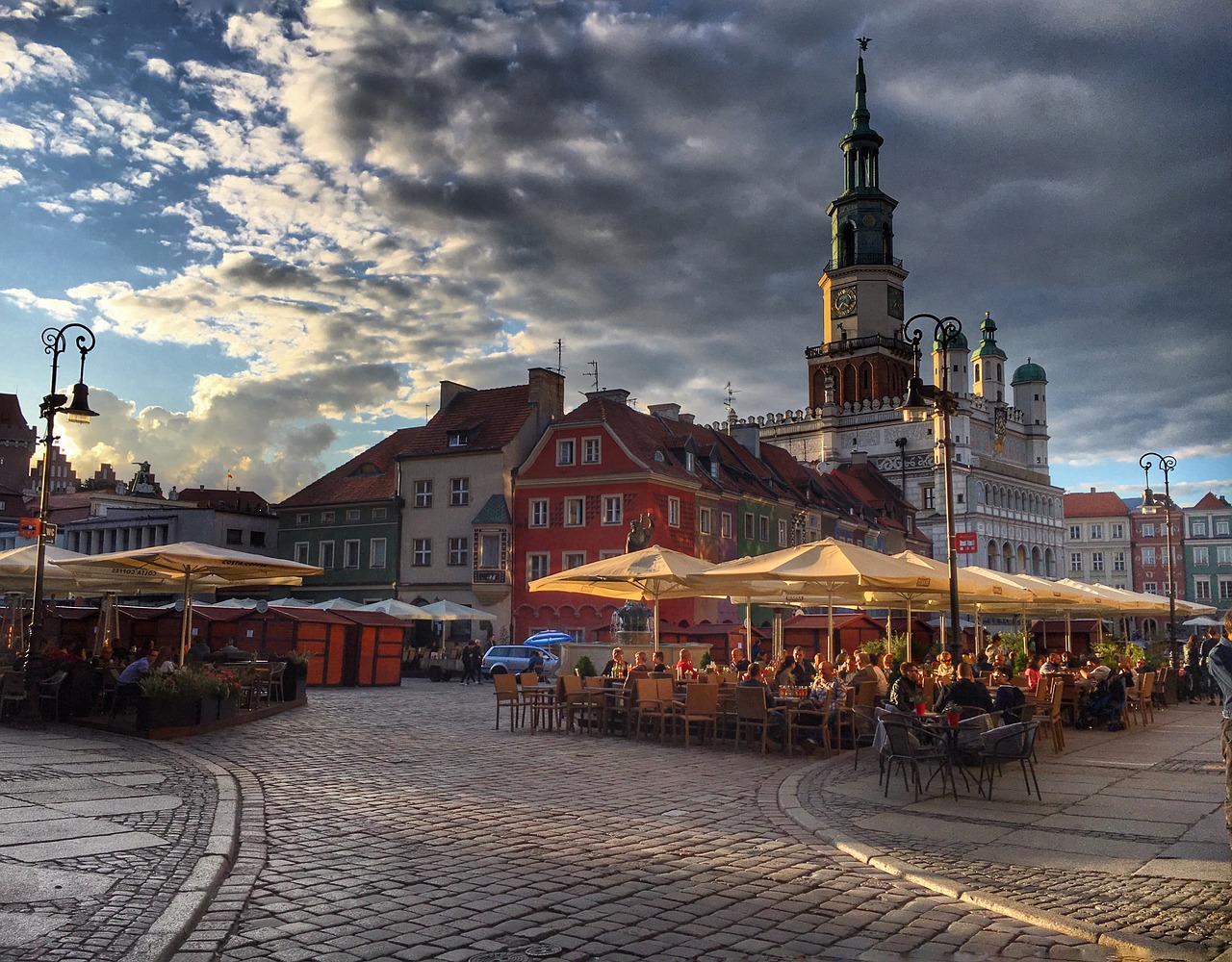
It also has a beautiful main square, full of beautiful streets and tenement houses, where you can see the ”Poznanskie Koziolki” at 12.00 every day.
From friends living in Poznan or from those who visited Poznań, we always hear positive opinions.
They always say: ” you must see Poznań!”
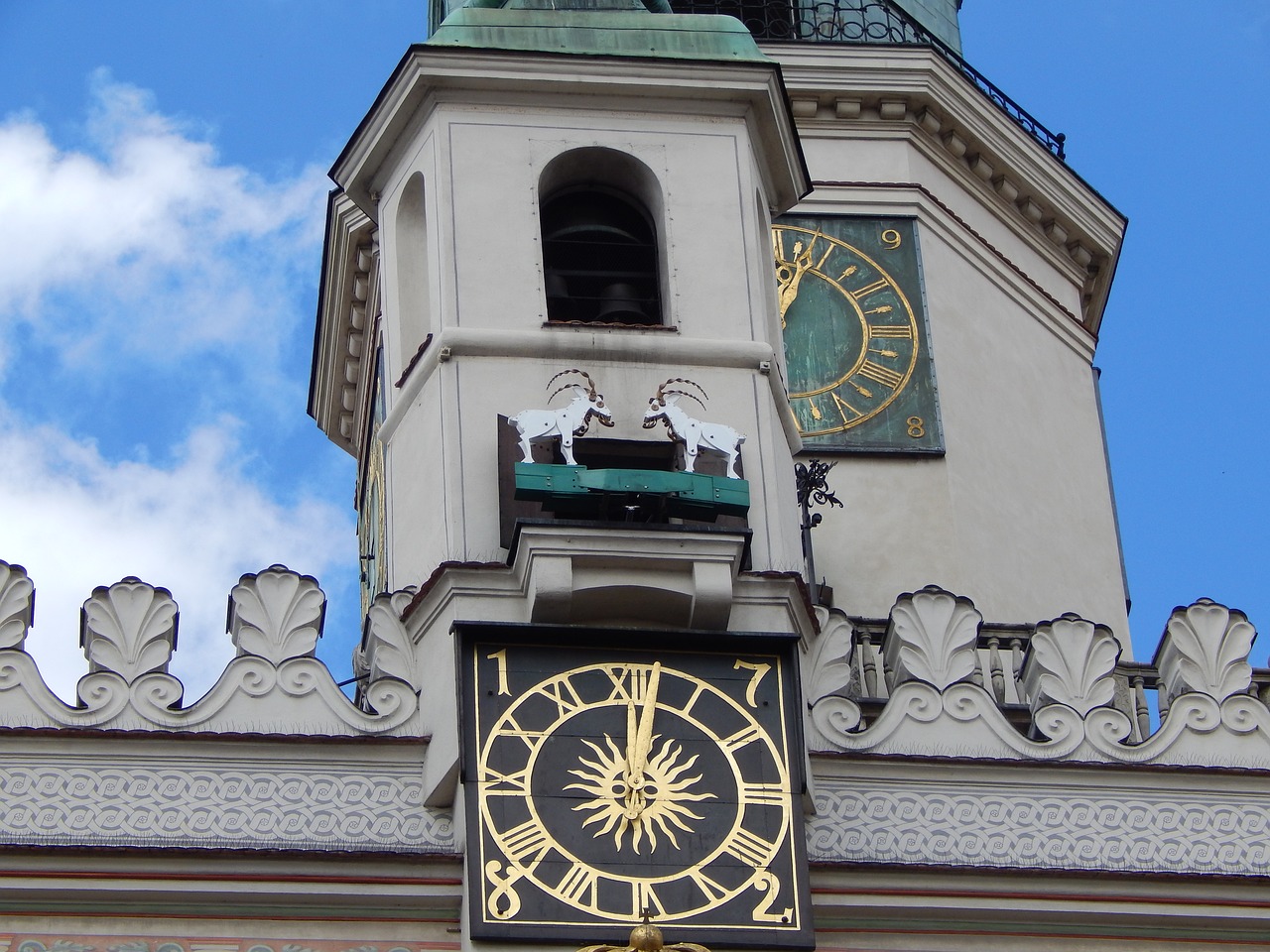
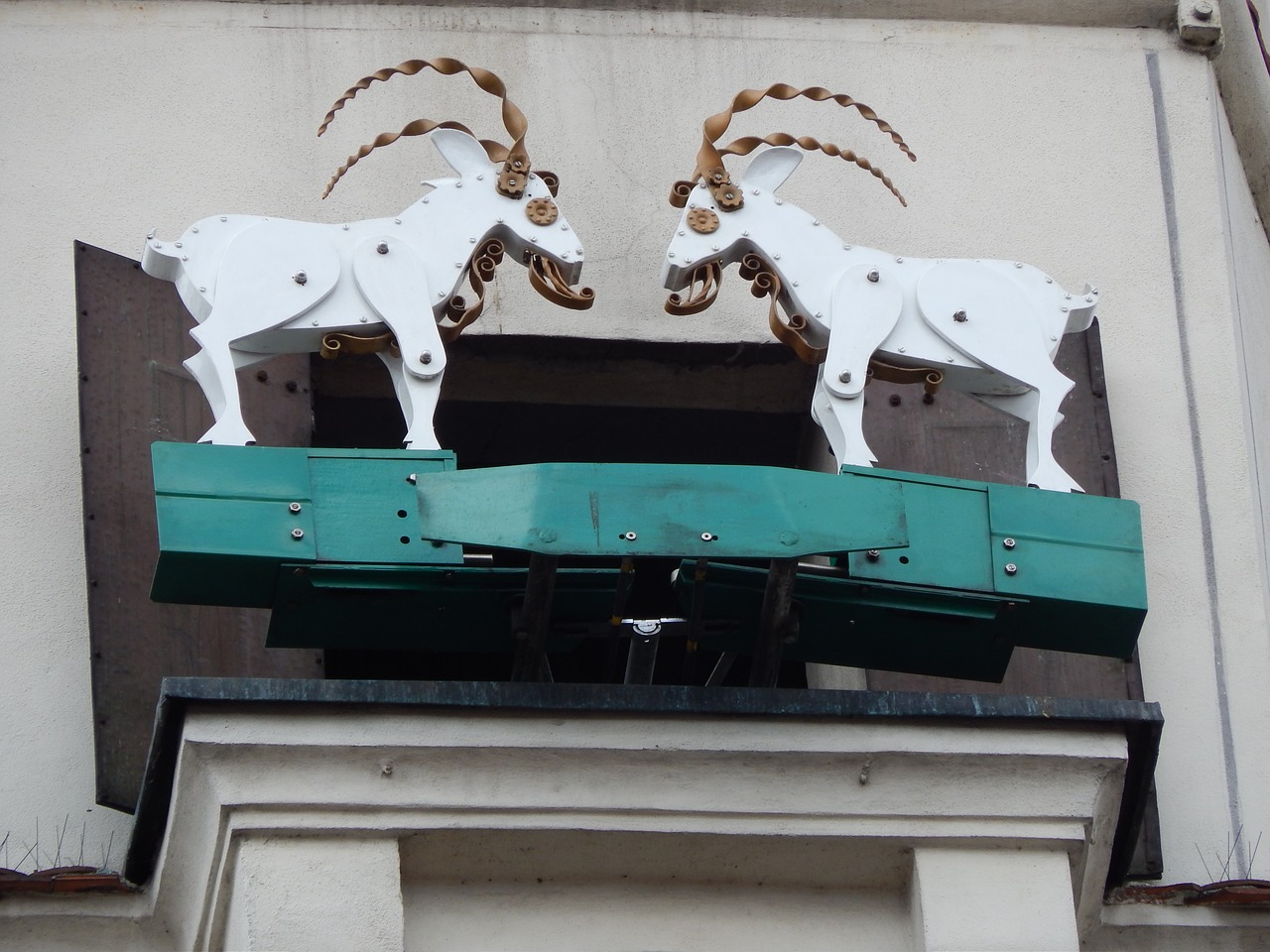
Poznanskie Koziolki.
One of the attractions of the Poznan City Hall are two fun goats, which at 12.00 every day, leave the central turret and for a minute they are squirting their horns.
The Town Hall itself is a Renaissance building from which the tower is played ”hejnal” every day.
Inside there is the Museum of the History of the City of Poznań. The first floor is the most representative level of the town hall. You can visit such rooms as the Great Hall, the Royal Hall or the Court Room. It is worth seeing the town hall not only from outside, but also discover what is inside.
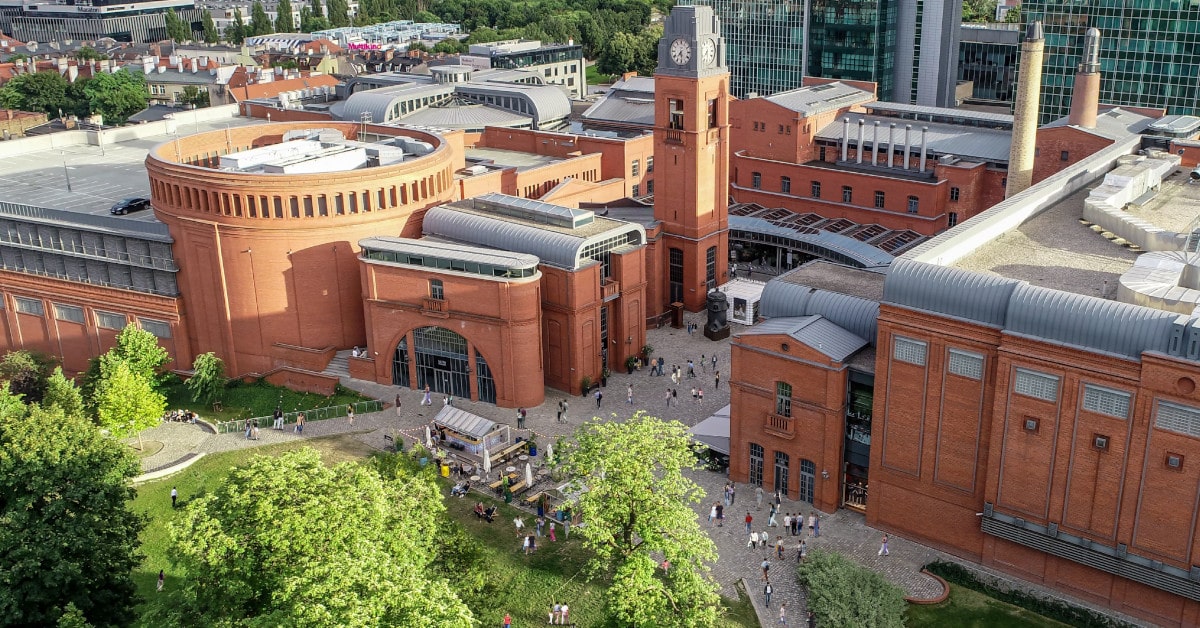
Stary Browar.
It was built in 1867 by a German brewer. After the Second World War, it was taken over by the state-owned enterprise, but after 1980 it slowly fell into ruin. In 1998 it was bought by Grazyna Kulczyk – current owner.
Today Stary Browar is one of the most beautiful shopping centers not only in Poland, which is also confirmed by the opinions of tourists from around the world. There is over 200 stores. In my opinion, a mandatory place during a trip to Poznan.
St. Martin Croissants.
A good reason to visit Poznań is rogal świętomarciński.
Traditionally prepared in the capital of Wielkopolska on the occasion of St. Martin, which is celebrated loudly on November 11, on St. Marcin in the center of Poznan.
Tradition dates back to the pagan times.
Croissant is prepared from semi-puff pastry, filled with white poppy seeds, with the addition of sugar, biscuit sponge crumbles, nuts, raisins, candied fruit and almond flavoring.

Old slaughterhouse and flea market.
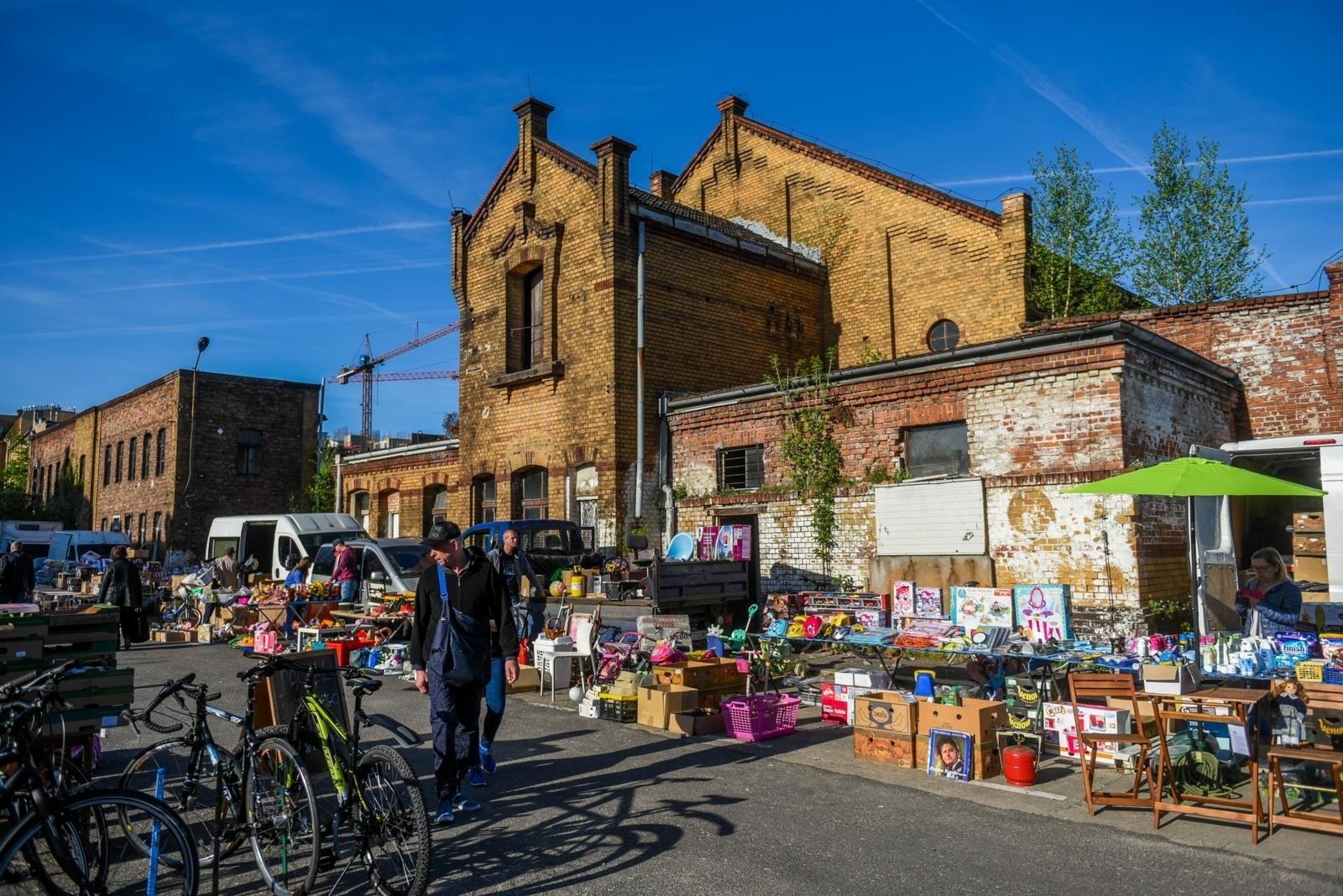
Stara Rzeźnia – Old slaughterhouse is located in the northern part of the city center within Garbary Street.
In recent years, the Old Slaughterhouse was known mainly from the stock exchange of antiques and second-hand goods. Cultural events and beer markets were also organized.
Photos: gloswielkopolski.pl 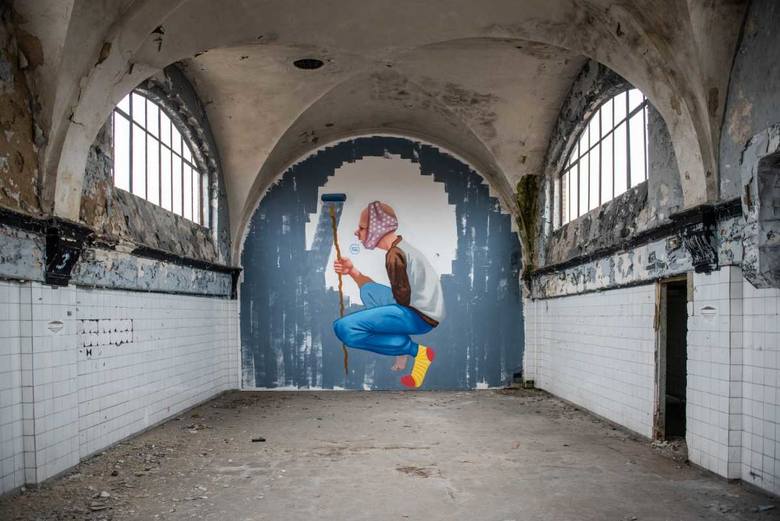
Palm House Poznan.
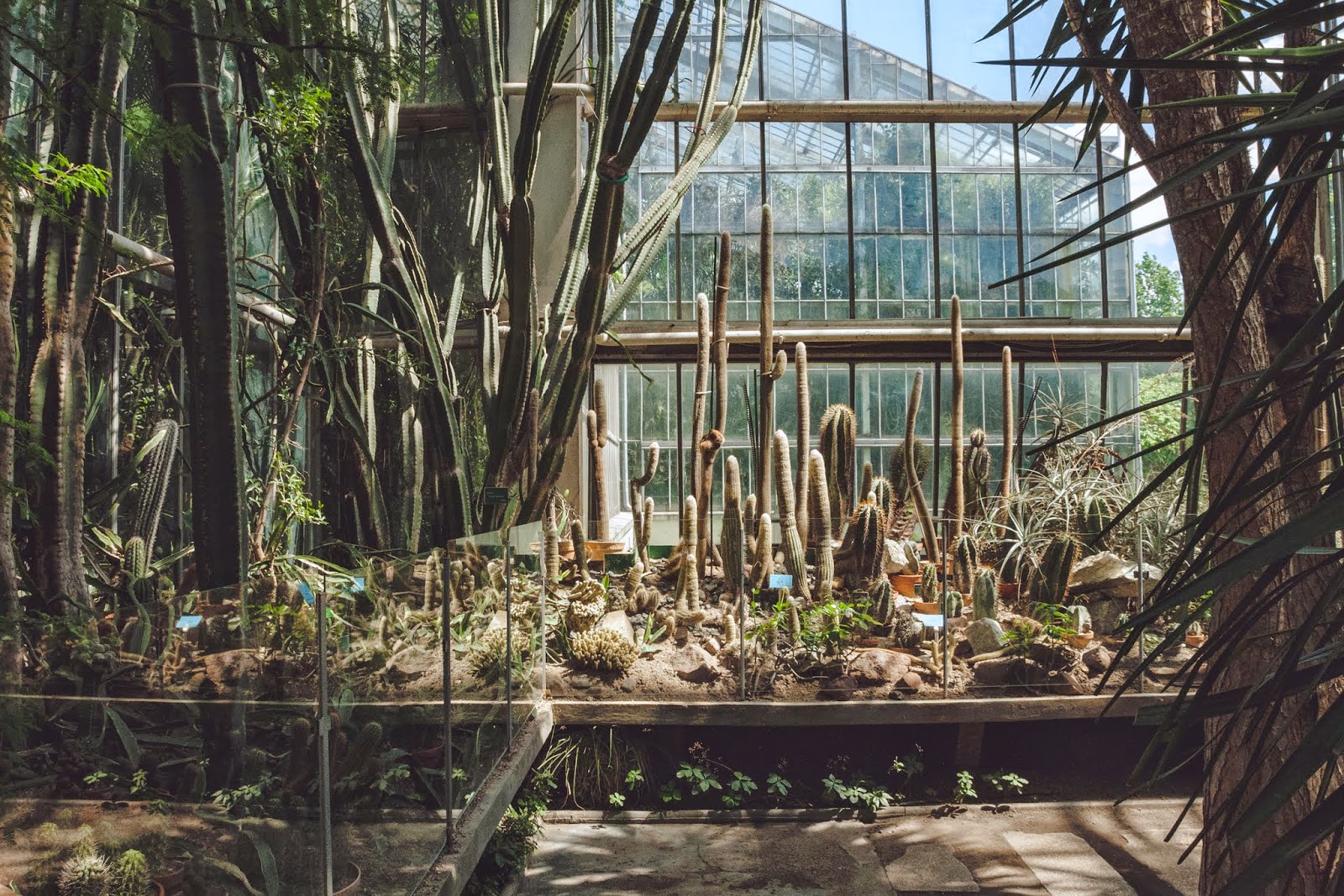
The Palm House was established in 1910, initially cacti and tropical plants were presented. It was quite badly damaged during World War II. Currently, about 1,100 plant species are represented, 170 fish species and about 50 species of aquatic plants in the aquarium.
What do you think about Poznan?
Let me know in the comments!
 The Ultimate Travel Guide around Poland.